
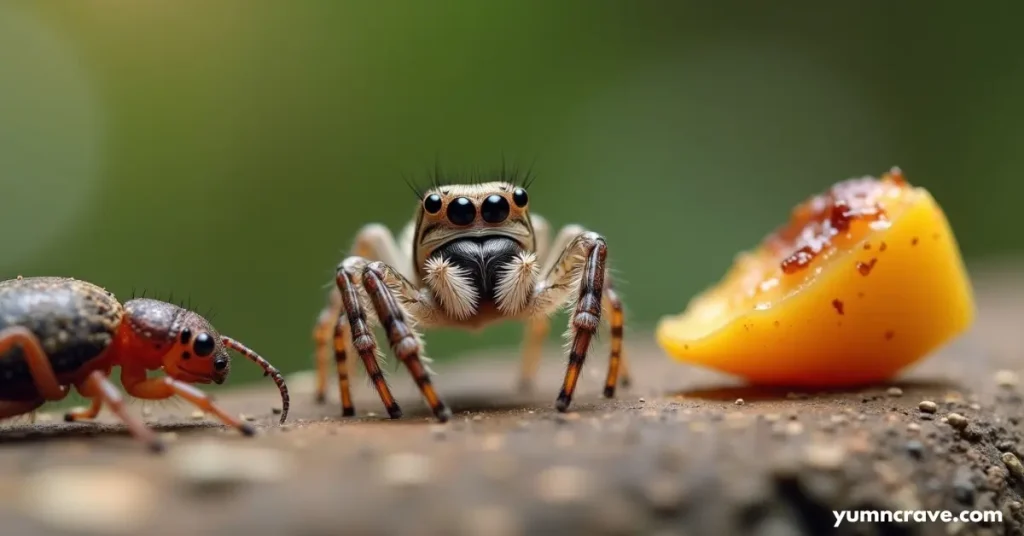
You watch your tiny, curious jumping spider explore its enclosure, and you want nothing more than to keep it healthy and thriving. You know the basics—feed it small, live insects. But what many new owners don’t realize is that the wrong food can be a death sentence. It’s not just about what they can eat, but critically, what they cannot.
This guide isn’t just another feeding list. This is a crucial warning about the dangerous and toxic items that should never end up in your spider’s enclosure. We will uncover the specific jumping spider food you must avoid now to prevent illness, injury, or a tragic outcome. Knowing what to steer clear of is just as important as knowing what to offer.
Why the Wrong Food is So Dangerous
Jumping spiders are small, delicate predators. Their bodies are designed to handle specific types of prey. Offering the wrong food can lead to:
-
Internal Toxicity: Some insects contain natural chemical defenses that are poisonous to spiders.
-
Physical Injury: Prey that is too large or too well-defended can fight back, biting or injuring your fragile spider.
-
Pesticide Poisoning: This is one of the most common and heartbreaking causes of death for captive arachnids.
-
Impaction and Digestion Issues: Hard-shelled insects can be impossible for your spider to digest, leading to a fatal blockage.
Let’s dive into the definitive list of what to keep far away from your eight-legged friend.
The Deadly List: Jumping Spider Food You Must Avoid Now
1. Fireflies (Lightning Bugs): The Number One Killer
This is the most critical item on the list. You must never, under any circumstances, feed a firefly to your jumping spider.
-
Why They Are Fatal: Fireflies contain powerful self-defense toxins called lucibufagins. These are steroid-like compounds that are incredibly toxic to reptiles, amphibians, birds, and arachnids. For a small jumping spider, even consuming a single firefly is almost always instantly fatal.
-
The Bottom Line: No matter how tempting it might be to catch a “glowing snack” for your pet, resist immediately. This is the most non-negotiable jumping spider food you must avoid now.
2. Wild-Caught Insects from Your Garden or Home
It seems convenient and natural to catch a moth from your porch or a beetle from your garden. But this is a incredibly risky gamble.
-
The Invisible Danger: Pesticides. Insects from outdoors have likely been exposed to insecticides, herbicides, or chemical fertilizers on plants. These toxins accumulate in the insect’s body and will be passed directly to your spider, causing nerve damage and death. You cannot wash this off.
-
Parasites and Diseases: Wild insects can carry internal parasites or diseases that your spider’s immune system is not prepared to handle.
-
Unidentified Species: You might accidentally catch an insect that is itself toxic, like a ladybug or a milkweed bug.
The Rule: Only feed your spider insects from reputable sources that breed them specifically as feeder insects. This is a safe and controlled way to ensure a healthy diet.
3. Hard-Bodied Insects: The Digestion Destroyers
While an adult jumping spider might be able to take down a large, hard-bodied beetle, that doesn’t mean it should.
-
The Problem of Chitin: Insects like adult beetles, large ants, and adult crickets have a very thick, hard exoskeleton made of chitin. A jumping spider’s digestive system is designed to liquefy soft-bodied prey. A hard shell can cause a serious, and often fatal, impaction in your spider’s gut.
-
Risk of Injury: These insects often have strong mandibles (jaws) that can bite and injure your spider during a struggle.
The Exception: A freshly molted insect is soft, white, and safe to feed. But unless you raised it yourself and know its molting cycle, it’s best to avoid this category altogether.
4. Insects That Fight Back: The Predators and Biters
Never feed your jumping spider anything that can harm it. The prey should always be truly prey, not a potential predator.
-
Praying Mantises: These are voracious hunters that will easily turn the tables and kill your spider.
-
Wasps and Hornets: They possess a powerful sting and strong mandibles. The risk of a fatal injury is extremely high.
-
Large Crickets: A cricket that is too big will not only stress your spider but can also deliver a nasty bite. A good rule is to never offer a cricket larger than your spider’s body.
-
Carnivorous Insects: Avoid feeding any insect that is itself a hunter.
5. Toxic and Chemically Defended Insects
Some insects are walking chemical weapons, and they advertise this with bright warning colors (this is called aposematism).
-
Ladybugs (Ladybird Beetles): When stressed, they exude a foul, toxic fluid from their leg joints that is highly poisonous to small predators like jumping spiders.
-
Stink Bugs and Shield Bugs: They release a nasty chemical odor as a defense mechanism, which can be harmful if ingested.
-
Caterpillars with Bright Colors or Hair: Many caterpillars have urticating (irritating) hairs or contain toxins from the plants they eat. It’s best to avoid them entirely unless you are an expert in caterpillar species.
6. Human Food: An Incompatible Diet
It should go without saying, but a jumping spider’s digestive system is not designed for human food.
-
Do not offer bits of raw meat, fruit, or vegetables. They cannot digest them. Their bodies are designed to consume the liquefied insides of insects. Offering anything else will, at best, be ignored and, at worst, make them sick.

The “Caution” List: Feeders That Require Care
Some common feeder insects are generally safe but need to be used with knowledge and caution.
-
Mealworms and Superworms: These are high in fat and have a tough exoskeleton. They should only be an occasional treat, not a staple food. The best time to feed them is when they have just molted and are soft and white.
-
Waxworms: These are also very high in fat. They are great for helping an underweight spider gain mass but can lead to obesity if fed too often. Think of them as “spider candy.”
So, What Should You Feed? The Safe and Healthy Staples
Now that we’ve covered the dangerous jumping spider food you must avoid now, let’s quickly recap the safe and healthy options that should form the core of their diet:
-
Flightless Fruit Flies: The perfect food for spiderlings and small juveniles. They are harmless, easy to catch, and readily available.
-
Green Bottle Flies: The ideal staple for most adult jumping spiders. They are soft-bodied, highly nutritious, and their flight activity triggers your spider’s natural hunting instincts.
-
Small, Captive-Bred Crickets: When sized correctly (no bigger than the spider’s body), these are a good protein source. Always buy from a pet store, not from the wild.
-
Curly-Wing Flies: These flies cannot fly properly, making them easy prey while still providing movement and stimulation.
How to Create a Safe Feeding Routine
Vigilance is key. Here is a simple routine to keep your spider safe:
-
Source Wisely: Always purchase feeders from a reputable breeder or pet store.
-
Size Check: Before dropping any insect in, look at it next to your spider. If it looks too big, it is.
-
Gut-Load: Feed your feeder insects a nutritious diet (like fresh vegetables or commercial gut-load food) for 24 hours before offering them to your spider. This makes the prey more nutritious.
-
Observe: Watch the feeding. If the prey seems to be putting up too much of a fight, or if your spider seems stressed, you may need to remove it.
Conclusion
Caring for a jumping spider is a rewarding experience. By being a diligent owner and understanding the critical list of jumping spider food you must avoid now, you are doing the single most important thing to protect your pet. You are not just preventing immediate poisoning; you are safeguarding against slow digestion issues, potential injury, and unnecessary stress.
Stick to the safe, soft-bodied, and captive-bred feeders. Remember the golden rule: when in doubt, leave it out. Your spider’s long-term health and vibrant life are well worth the extra caution. Now that you are armed with this knowledge, you can feed with confidence, knowing you are providing the safest and healthiest diet possible.
