
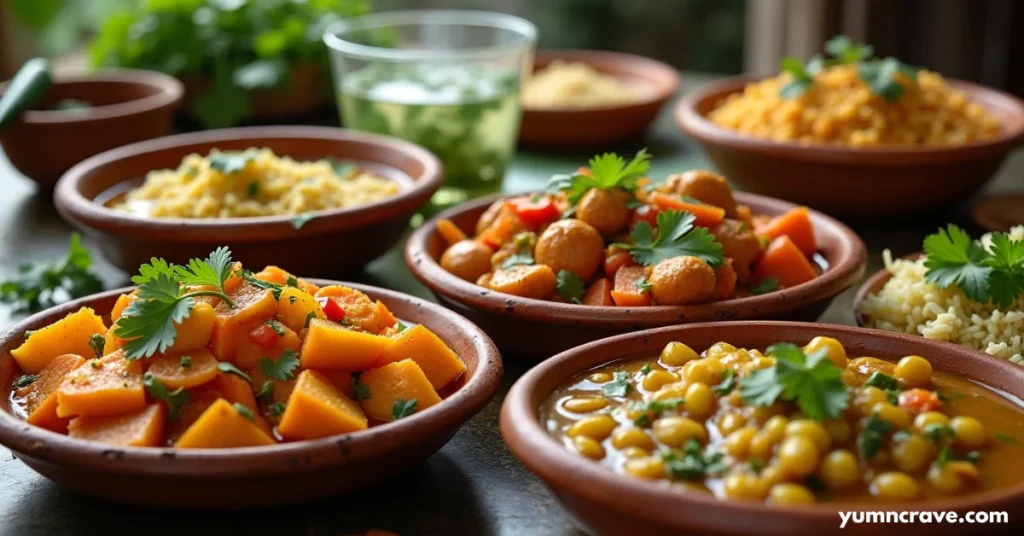
When people think of Bangladeshi food, the first things that usually come to mind are fish curries, spicy meat dishes, and fragrant rice. But here’s the real surprise — some of the most flavorful and satisfying Bangladeshi dishes are actually vegetarian!
In every Bangladeshi household, vegetables play a vital role in daily meals. Whether you are a vegetarian or simply love experimenting with plant-based food, Bangladeshi veg recipes will shock you with their depth of flavor, creative spice use, and comforting textures.
Let’s explore the shocking flavor in these Bangladeshi veg recipes, learn how they’re made, and discover what makes them truly special.
Why Bangladeshi Veg Recipes Are So Flavorful
Bangladeshi cooking might look simple at first — just vegetables, some spices, and oil. But the magic lies in how these ingredients are used.
Here are a few secrets behind that shocking burst of flavor:
- Fresh Ingredients
Bangladesh is rich in fertile land, so vegetables are usually fresh, local, and seasonal. Fresh produce gives a natural sweetness and earthy flavor that frozen or canned vegetables can’t match. - Spices Used with Care
Bangladeshi cooks don’t just dump all the spices in one go. Each spice — cumin, mustard seed, turmeric, coriander, chili — is added at just the right moment to bring out its best aroma. - Slow Cooking
Many recipes are cooked slowly, allowing the flavors to mix deeply. It’s this patient cooking that transforms a few simple ingredients into something extraordinary. - Mustard Oil
The signature touch in Bangladeshi vegetarian dishes! Its sharp, nutty flavor enhances the natural taste of vegetables and gives an unforgettable punch. - Balancing Sweet, Spicy, and Sour
A good Bangladeshi dish always balances flavors. You might taste chili heat at first, followed by the slight tang of green mango or tomato, and finally a gentle sweetness from the vegetables themselves.
Top 5 Bangladeshi Veg Recipes That Taste Shockingly Good
Below are five classic vegetarian recipes from Bangladesh that will surprise you with their taste and simplicity. Each one tells a story of tradition, comfort, and bold flavor.
1. Shorshe Begun (Eggplant in Mustard Sauce)
Shorshe means mustard, and Begun means eggplant. This dish is a superstar in Bangladeshi vegetarian cuisine.
Ingredients
- Eggplant (thinly sliced)
- Mustard seeds or mustard paste
- Green chilies
- Turmeric powder
- Salt
- Mustard oil
- A few drops of lemon juice (optional)
How It’s Made
- Heat mustard oil until it smokes lightly — that’s the secret to removing its bitterness.
- Add mustard paste and a pinch of turmeric.
- Toss in green chilies and sliced eggplants.
- Let it cook on low heat until the eggplants turn soft and silky.
- Add salt and a splash of water if needed.
Flavor Profile
The mustard gives the dish a tangy, pungent flavor that shocks your taste buds in the best way possible. It’s bold, spicy, and deeply satisfying. The creamy eggplant soaks up the mustard sauce beautifully, creating a mouthful of magic.
2. Chorchori (Mixed Vegetable Stir Fry)
Chorchori is a beloved household dish that turns everyday vegetables into a flavorful delight. It’s made from a mix of whatever vegetables are available — truly a zero-waste recipe!
Ingredients
- Potatoes
- Eggplant
- Pumpkin
- Beans
- Spinach or leafy greens
- Panch phoron (a five-spice blend: cumin, fennel, nigella, fenugreek, and mustard seeds)
- Mustard oil
- Turmeric, salt, and chili powder
How It’s Made
- Heat mustard oil and add panch phoron — let it splutter.
- Add all the vegetables, turmeric, salt, and chili.
- Stir well and let it cook slowly with a little water.
- Cover and let the vegetables steam in their own moisture.
Flavor Profile
Each vegetable releases its unique flavor while absorbing the smoky mustard oil and the aroma of the five spices. The result? A complex, earthy, and slightly sweet dish that pairs perfectly with steamed rice.
Fun Fact: Every family in Bangladesh has their own version of chorchori, so the taste may vary — but it’s always delicious!
3. Lau Ghonto (Bottle Gourd Curry)
The humble lau (bottle gourd) may look plain, but in Bangladeshi kitchens, it becomes a comforting and flavorful curry called Lau Ghonto.
Ingredients
- Bottle gourd (peeled and cubed)
- Ginger paste
- Cumin powder
- Green chilies
- Bay leaf
- Turmeric
- Salt
- Mustard oil
How It’s Made
- Heat mustard oil in a pot and add a bay leaf.
- Add ginger paste and cumin powder.
- Toss in the chopped bottle gourd and stir well.
- Add salt and turmeric, then cook on low heat until the vegetable releases water and becomes tender.
Flavor Profile
The result is a light yet aromatic curry that tastes surprisingly rich. The ginger and cumin blend with the sweetness of the bottle gourd, creating a flavor that’s soft, earthy, and refreshing.
Many people are shocked by how such a simple vegetable can produce such a deep, homey taste.
4. Alu Posto (Potato with Poppy Seeds)
Alu Posto is a dish that’s simple yet addictive. Originating from Bengal, it’s equally loved in Bangladesh. The main star here is poppy seed paste, which gives a creamy texture and nutty flavor.
Ingredients
- Potatoes (cubed)
- Poppy seed paste
- Green chilies
- Mustard oil
- Salt and turmeric
How It’s Made
- Soak poppy seeds and grind them into a smooth paste.
- Heat mustard oil, add green chilies and turmeric.
- Add potatoes and fry them slightly.
- Stir in the poppy seed paste and a little water.
- Cover and let it cook until the potatoes are soft.
Flavor Profile
The creaminess of poppy seeds blends with the starchy potato, creating a mellow, nutty, and spicy flavor that’s simply unforgettable. You might be shocked that a few ingredients can taste so luxurious.
5. Dhokar Dalna (Lentil Cakes in Curry)
This one is a true showstopper — Dhokar Dalna is a festive dish that feels like a vegetarian treat worthy of a celebration.
Ingredients
- Chana dal (split chickpeas)
- Cumin and coriander powder
- Ginger paste
- Tomato
- Garam masala
- Bay leaf
- Mustard oil
- Turmeric and chili powder
How It’s Made
- Soak and grind chana dal into a thick paste.
- Cook it with spices until firm, then spread it on a plate to cool.
- Cut into squares and lightly fry the lentil cakes (dhoka).
- Prepare a spiced tomato gravy and add the fried pieces.
Flavor Profile
The lentil cakes soak up the spiced gravy beautifully, creating a dish with layers of flavor — soft inside, crispy outside, and bursting with aromatic warmth.
Even meat lovers find it shocking how satisfying this vegetarian dish can be!
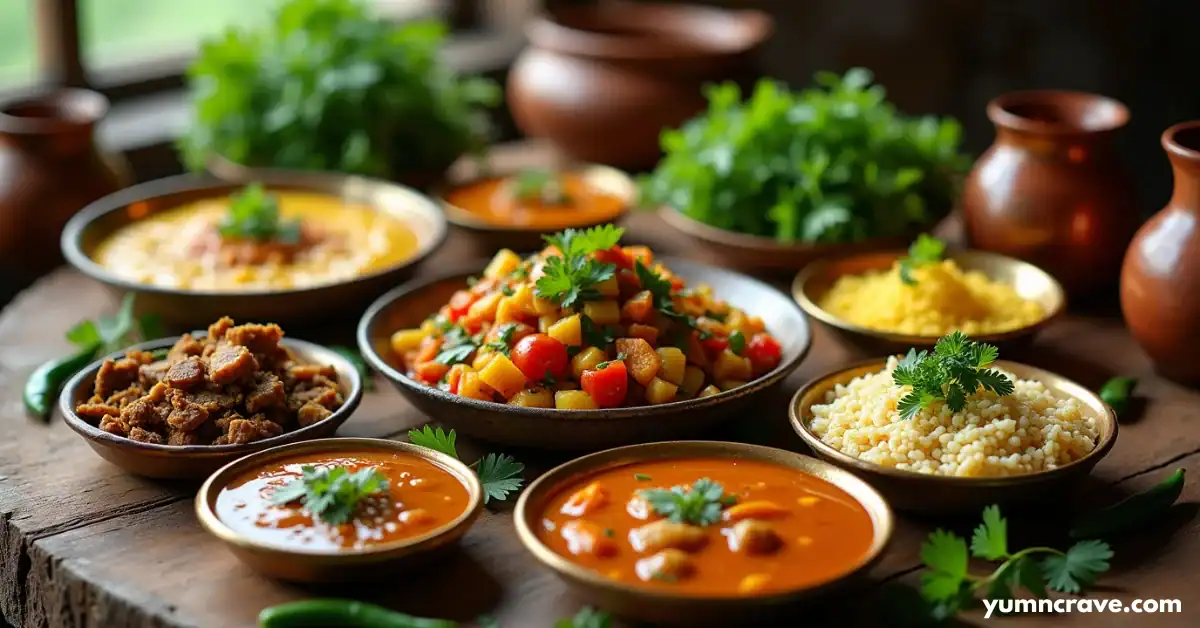
Traditional Spices That Create the Shock Factor
Bangladeshi veg recipes owe their strong flavor to a set of signature spices. Here are some of the heroes that make every bite unforgettable:
- Turmeric: Adds color and earthy depth.
- Cumin: Provides warmth and sweetness.
- Mustard Seeds: Sharp and tangy, essential for Bangladeshi taste.
- Nigella Seeds (Kalonji): Adds a slight bitterness and nuttiness.
- Fenugreek: Gives a mild, aromatic bitterness.
- Panch Phoron: The famous five-spice mix that defines Bengali cooking.
- Garam Masala: Used sparingly for a rich, warm aroma.
Each spice plays a unique role — when combined skillfully, they create a shocking symphony of flavor that’s bold yet balanced.
The Art of Cooking Bangladeshi Vegetables
The cooking style also adds to the flavor surprise. A few techniques that make a big difference include:
- Tadka (Tempering): Heating spices in hot oil to release their aroma.
- Slow Simmering: Allowing ingredients to cook gently enhances depth.
- Layering: Adding spices in stages to build complexity.
- Natural Reduction: Many dishes are cooked until the oil separates, locking in richness.
It’s this thoughtful process that turns a simple dish into something extraordinary.

Health Benefits of Bangladeshi Veg Recipes
Besides flavor, these dishes are also packed with nutrition.
- Rich in Fiber: Aids digestion and keeps you full.
- Low in Fat: Especially when cooked with minimal oil.
- High in Vitamins: Vegetables like pumpkin, spinach, and bottle gourd are full of essential nutrients.
- Natural Detox: Ingredients like turmeric and ginger help cleanse the body.
So you’re not just enjoying shocking flavor — you’re also eating healthy, wholesome food.
How to Enjoy Bangladeshi Veg Dishes
You can pair these dishes with:
- Steamed white rice
- Paratha (flaky flatbread)
- Roti or naan
- A small bowl of lentil soup (dal)
A traditional Bangladeshi meal usually includes a mix — one dry vegetable dish, one curry, some rice, and lentils. The combination of textures and spices keeps every meal exciting.
Modern Twists on Classic Veg Recipes
Modern Bangladeshi cooks are giving new life to traditional recipes by experimenting with fusion ideas:
- Shorshe pasta – spaghetti tossed in mustard sauce.
- Chorchori wraps – vegetable stir-fry stuffed in flatbread.
- Alu posto croquettes – crispy potato balls with poppy seed filling.
Even with creative updates, the soul of the dish — bold, comforting flavor — remains the same.
Final Thoughts:
The shocking flavor in Bangladeshi veg recipes doesn’t come from anything fancy — it comes from simplicity, balance, and heart.
Each dish reflects the warmth of home cooking and the deep connection between food and culture in Bangladesh. From mustard-kissed eggplant to creamy poppy seed potatoes, every bite feels like comfort and surprise rolled into one.
If you’ve never tried Bangladeshi vegetarian food before, these recipes will completely change the way you think about vegetables.
They’re proof that with just a few humble ingredients, you can create something shockingly delicious.
