

Leopard geckos are among the most popular reptiles kept as pets around the world. They are small, friendly, and relatively easy to care for compared to many other reptiles. However, one of the most common questions new and even experienced keepers ask is: “How long can a leopard gecko go without food?”
The answer might surprise you. While leopard geckos are hardy creatures that can survive longer without food than many animals, their limits and needs depend on factors like age, health, environment, and stress levels. In this article, we’ll uncover shocking facts about their fasting ability, survival skills, and what you should do if your gecko stops eating.
How Long Can Leopard Geckos Survive Without Food?
- Adult leopard geckos can typically survive 10–14 days without food because they store fat in their tails.
- Healthy juveniles may last around 7–10 days, but it is riskier because they need steady growth.
- Hatchlings should not go more than 2–3 days without eating, as they have no fat reserves.
But remember: survival is not the same as thriving. Even if your gecko can survive without food for a couple of weeks, it doesn’t mean this is healthy or safe in the long run.
Why Leopard Geckos Can Go Longer Without Food
Leopard geckos have developed unique adaptations that allow them to survive in the wild where food may not always be available.
1. Fat Storage in the Tail
Their tails act as fat storage units. When food is scarce, they rely on this fat reserve for energy. A plump, thick tail is a sign of a healthy gecko, while a thin, stick-like tail can signal starvation or illness.
2. Natural Desert Habitat
In the wild, leopard geckos live in arid desert environments of Afghanistan, Pakistan, and India. Food is not always available daily, so they’ve evolved to handle fasting periods.
3. Low Metabolism
Compared to mammals, geckos have a slower metabolism. This means they burn energy at a slower rate, which helps them survive longer without meals.
Shocking Facts About Leopard Geckos and Fasting
Here are some eye-opening facts about their survival and eating habits:
- They can lose up to 10–15% of body weight during fasting. This is often visible in the tail shrinking.
- Stress and illness can cause them to refuse food for weeks. In some cases, this can be deadly if untreated.
- Leopard geckos may fast naturally during brumation (a hibernation-like state during cooler months).
- A healthy adult may live up to a month without food, but this is extremely dangerous and should never be tested.
- Hydration is more critical than food. A gecko can survive longer without food than without water.
How Long Can Leopard Geckos Go Without Food? (Age Breakdown)
Hatchlings (0–2 months)
- Need daily food for growth.
- Should not go beyond 2 days without food.
- Any refusal to eat is a red flag.
Juveniles (2–10 months)
- Require frequent feeding (every day or every other day).
- Can last up to 7–10 days without food, but this risks stunted growth.
Adults (10+ months)
- Usually eat every 2–3 days.
- Can survive 10–14 days without food if healthy.
- Some have been recorded surviving 3–4 weeks without eating during brumation, though this is not ideal in captivity.
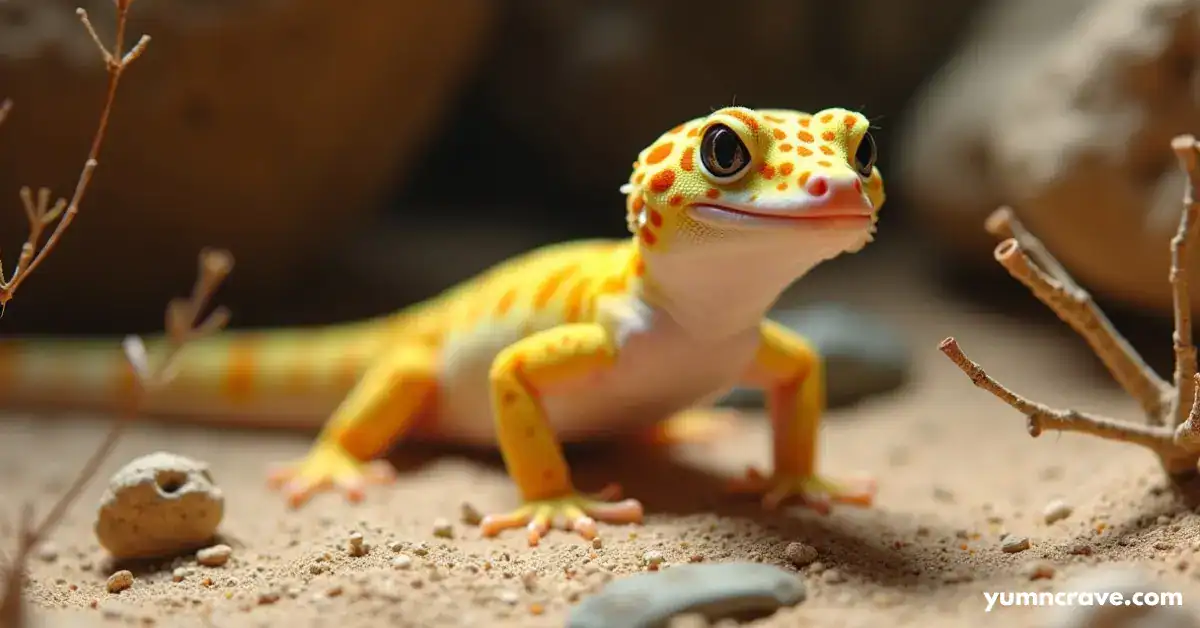
Why Your Leopard Gecko Might Refuse Food
If your gecko suddenly stops eating, it could be due to several reasons:
- Shedding: Many geckos skip meals before or during shedding.
- Temperature Issues: Incorrect tank temperature can affect digestion and appetite.
- Stress: New environment, handling, or tank mates can cause stress.
- Parasites: Internal parasites often cause weight loss and refusal to eat.
- Impaction: Eating substrate or undigested food can block the digestive system.
- Brumation: Some geckos naturally slow down or stop eating in winter.
Signs Your Gecko Is Starving or Sick
- The tail is shrinking or very thin.
- Lethargy or lack of movement.
- Sunken eyes.
- Refusal to drink water.
- Significant weight loss within days.
If you notice these, it’s time to act fast.
What to Do If Your Leopard Gecko Stops Eating
Here are steps you can take:
- Check tank conditions. Temperature should be 88–92°F on the warm side and around 75°F on the cool side.
- Offer variety. Try mealworms, crickets, dubia roaches, or waxworms.
- Hydration first. Ensure fresh water is available at all times.
- Reduce stress. Limit handling and keep the environment calm.
- Assist feeding (last resort). For weak geckos, use a syringe with a reptile-safe liquid diet under vet guidance.
- Vet visit. If your gecko hasn’t eaten for 10–14 days, consult a reptile veterinarian immediately.
Shocking Survival Stories of Leopard Geckos
Many keepers share astonishing stories of their leopard geckos surviving long fasts:
- Some report adults surviving over a month without food during brumation.
- Rescue cases show geckos with nearly no tail fat slowly recovering with proper care.
- However, many of these cases highlight how risky it is to rely on fat reserves for too long.
These stories prove their resilience but also underline the importance of responsible care.
Healthy Feeding Schedule for Leopard Geckos
To avoid dangerous fasting, here’s a recommended feeding routine:
- Hatchlings (daily): Feed small crickets/mealworms 5–7 per day.
- Juveniles (every day/every other day): 6–8 insects per meal.
- Adults (2–3 times per week): 6–10 insects per meal.
Always dust food with calcium and vitamins to prevent deficiencies.
Final Thoughts
So, how long can a leopard gecko go without food? The shocking truth is that while they can survive for weeks, this is not healthy or safe. Adults may manage up to two weeks without food, juveniles about a week, and hatchlings only a couple of days.
The key takeaway is that leopard geckos are survivors thanks to their fat-storing tails and slow metabolism, but responsible care means never testing these limits. Always provide a proper diet, correct temperatures, fresh water, and veterinary care if your gecko refuses food for too long.
By understanding their needs, you’ll ensure your little reptile friend lives a long, healthy, and happy life.
