
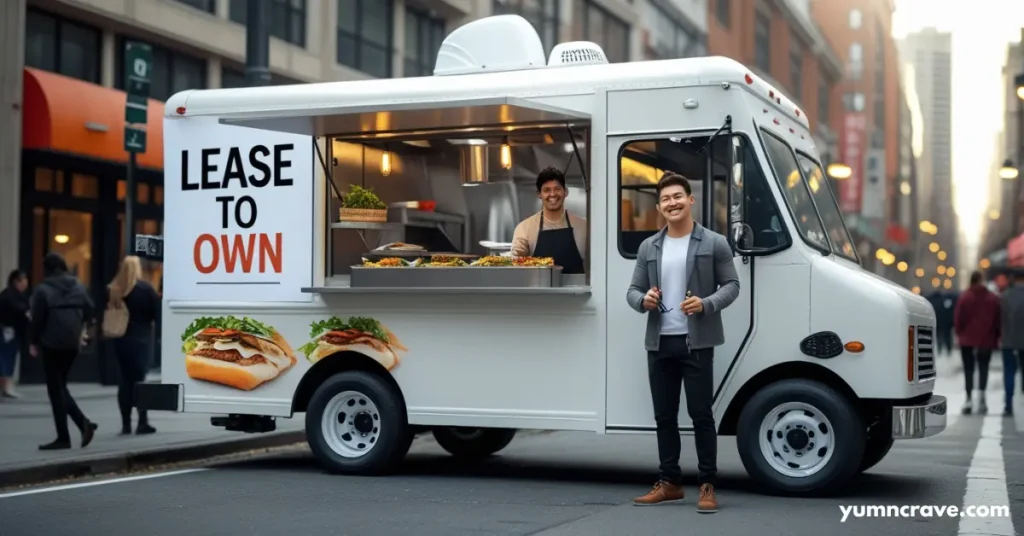
Starting a food truck business is an exciting dream for many aspiring chefs and entrepreneurs. The idea of bringing delicious food directly to people—whether on a busy street corner, a festival, or a corporate event—has attracted thousands into the mobile food industry. But there’s one big challenge that often holds people back: the cost of owning a food truck.
This is where the food truck lease to own option comes into play. For many, it’s the smartest way to start without draining all your savings or taking a huge financial risk. In this article, we’ll explain in very simple words how lease-to-own works, why it’s beneficial, and how you can get started step by step.
What Does “Food Truck Lease to Own” Mean?
The phrase “lease to own” simply means you don’t buy the food truck upfront. Instead, you rent (or lease) the truck for a certain period, with the option to purchase it later. Each monthly payment you make goes toward the cost of owning the truck. By the end of the lease term, you can choose to own it completely.
Think of it as a “rent-to-own” plan, but for food trucks.
This method makes it easier for beginners because:
- You don’t need to spend $50,000–$100,000 at once.
- You get time to test your business idea before fully committing.
- You can upgrade or switch trucks if needed.
Why Food Truck Lease to Own is the Smartest Way to Start
For new entrepreneurs, cash flow is everything. Buying a brand-new food truck outright is often too risky. You don’t yet know how profitable your food truck business will be. That’s why starting with a lease-to-own arrangement makes sense.
Here’s why it’s smart:
- Lower Startup Costs
Instead of paying a massive amount upfront, you spread out the cost over time. This frees up your money for other essentials like ingredients, permits, and marketing. - Flexibility
If you find out that your food truck business isn’t working as planned, you’re not stuck with a huge debt. You can return the truck (depending on the agreement). - Test Your Concept
Not sure if people will love your tacos, burgers, or fusion dishes? Leasing gives you time to test the menu and see what works before committing to a full purchase. - Build Ownership Over Time
Unlike a regular rental, lease-to-own agreements often apply part of your monthly payments toward ownership. That means each month you’re getting closer to fully owning the truck. - Easier Financing
For those who don’t have strong credit or enough capital, lease-to-own programs are often easier to qualify for than traditional business loans.

How Much Does a Food Truck Lease to Own Cost?
The cost of leasing a food truck to own depends on several factors:
- The size and type of the food truck.
- Whether it’s new or used.
- The company offered the lease-to-own deal.
On average, you might pay anywhere from $1,000 to $3,000 per month. Some companies require a small down payment as well. Over time, these payments go toward ownership.
Remember: it’s still much cheaper than paying $70,000–$150,000 upfront for a new, fully equipped food truck.
Steps to Start with a Food Truck Lease to Own
If you’re ready to begin, here’s a simple step-by-step guide:
Step 1: Research Your Options
Look for companies that specifically offer lease-to-own food truck programs. Some manufacturers, dealers, and specialized financing companies provide this service.
Step 2: Compare Terms
Not all lease-to-own contracts are the same. Compare the following:
- Monthly payment amounts
- Lease length (usually 2–5 years)
- Maintenance responsibility (who pays for repairs?)
- Buyout price at the end
Step 3: Check the Truck’s Condition
If it’s a used truck, inspect it carefully. Make sure the kitchen equipment, plumbing, and electricity are in good shape. You don’t want surprise repair costs.
Step 4: Plan Your Menu and Business Model
Before you even hit the streets, know what food you’ll sell, your target market, and your pricing. The truck is only half of the business—your food and brand are the other half.
Step 5: Secure Permits and Licenses
Food truck businesses require permits like health department approvals, city licenses, and parking permits. Don’t forget insurance too.
Step 6: Start Small and Grow
Begin by testing at local events, farmers’ markets, or popular spots. Build a loyal customer base before expanding.
Pros and Cons of Lease-to-Own Food Trucks
Like any financial decision, there are advantages and disadvantages.
Pros
- Affordable entry into the food truck industry.
- Payments build toward ownership.
- Lower risk than buying outright.
- Flexibility to test your business idea.
- Often easier approval than bank loans.
Cons
- Monthly payments can be high.
- You don’t fully own the truck until the lease ends.
- Some contracts have hidden fees or strict conditions.
- You may pay more overall than buying used upfront.
Common Mistakes to Avoid
When starting with a food truck lease to own, many beginners make simple mistakes. Avoid these:
- Not Reading the Contract Carefully
Some companies include hidden costs. Always read every detail. - Ignoring Maintenance Responsibilities
Sometimes you’re responsible for repairs. Factor this into your budget. - Overestimating Sales
Don’t assume your truck will be profitable from day one. Start with realistic sales projections. - Skipping Insurance
Accidents happen. Make sure your truck and business are properly insured.
Real-Life Example: How Lease-to-Own Helped a Food Truck Owner
Let’s imagine Sarah, a chef who always dreamed of serving gourmet grilled cheese sandwiches. Buying a truck outright was too expensive. Instead, she chose a lease-to-own program with $1,500 monthly payments.
In the first year, Sarah tested her menu at local festivals and quickly built a fan base. Because she didn’t spend all her money on the truck, she had funds for high-quality ingredients and marketing.
By the third year, she fully owned her food truck and expanded into catering services. Today, Sarah runs a profitable mobile business—all thanks to starting with a lease-to-own option.
Alternatives to Food Truck Lease to Own
If lease-to-own doesn’t feel right for you, here are other ways to start:
- Buying Used Food Trucks – A cheaper option but requires upfront payment.
- Getting a Business Loan – More formal but harder to qualify for.
- Partnering with Investors – Share profits in exchange for funding.
- Starting with a Food Cart or Trailer – Lower cost entry point before upgrading to a full truck.
Final Thoughts:
Launching a food truck is exciting but also expensive. If you want a safer, more flexible entry into the food truck industry, leasing to own is one of the smartest paths you can take.
It allows you to:
- Start small without huge upfront costs.
- Test your food concept.
- Grow gradually while working toward ownership.
Remember, the success of your food truck doesn’t just depend on the vehicle—it depends on your creativity, food quality, and connection with customers. The truck is simply the tool that helps you share your passion with the world.
So if you’re dreaming of running your own food truck, consider a food truck lease to own: the smartest way to start. It could be the key that turns your dream into reality.
