
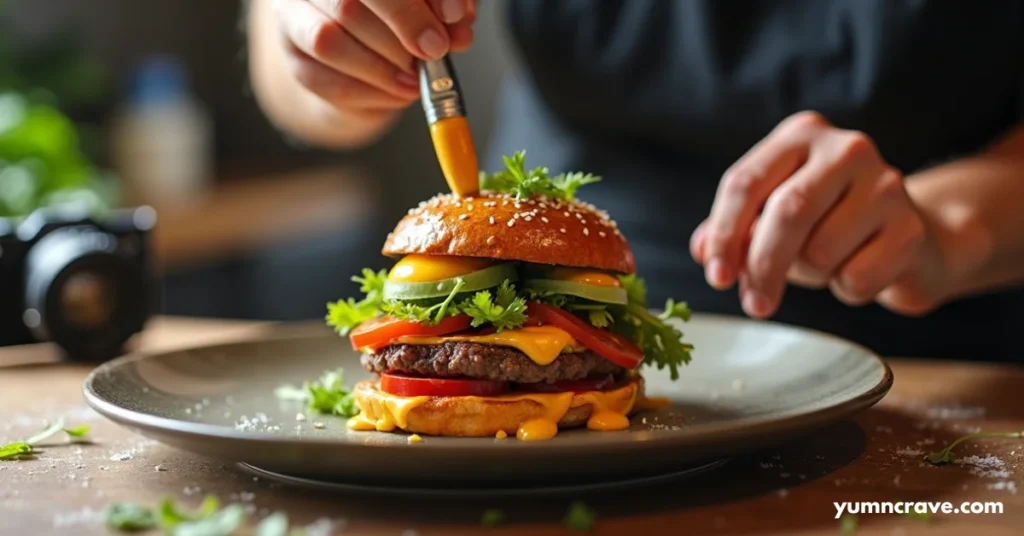
Have you ever looked at a mouthwatering picture of a burger, a slice of cake, or a colorful salad and wondered — how does it look so perfect? Every lettuce leaf in place, every sauce perfectly drizzled, and not a crumb out of line. The secret behind those picture-perfect meals is something simple yet surprisingly powerful — food glue.
In this article, you’ll discover what food glue is, how it works, how professionals use it, and even how you can try it in your own kitchen. Whether you’re a food lover, a beginner cook, or a content creator who wants every meal to look camera-ready, this guide will make everything clear and easy to understand.
What Is Food Glue?
Food glue, sometimes called edible glue, is a safe, edible adhesive used to hold food items together. It helps food look neat, stable, and appealing — especially in food styling, baking, and presentation.
Think of it as the invisible helper that keeps your sandwich from falling apart, your sushi from opening, or your decorative cake toppers from slipping. It’s not something new or strange — in fact, many natural ingredients can act as food glue!
Why Is Food Glue So Popular?
Food glue is widely used because it makes food look professional, neat, and perfectly shaped. Here are a few reasons why it’s become such an essential part of modern cooking and food presentation:
1. Perfect Presentation
Whether you’re a chef or a food stylist, you know the struggle — sauces drip, toppings slide, and decorations fall. Food glue keeps everything in place, giving your dish that perfect finish.
2. Used in Food Photography
In food photography and advertising, appearance is everything. Food glue ensures that every burger layer stays firm, every noodle curls perfectly, and every slice of fruit stays shiny and fresh.
3. Helpful in Baking and Cake Decoration
Cake artists often use food glue to attach fondant decorations, sugar flowers, and edible pearls. It keeps delicate designs secure without altering the taste.
4. Essential for Food Art and Displays
Restaurants, caterers, and content creators use it to create artistic food arrangements that last longer on display or under hot lights.

What Is Food Glue Made Of?
There isn’t just one single recipe for food glue. It can be made from different edible ingredients, depending on what it’s used for. Let’s look at the most common types:
1. Tylose or CMC (Carboxymethyl Cellulose) Glue
This is the most popular type of food glue used in cake decorating. You mix Tylose powder with water to create a thick, sticky paste. It dries quickly and holds fondant pieces very well.
2. Gelatin-Based Glue
Gelatin is another natural thickener that works great as glue. It’s perfect for sticking lightweight decorations and for dishes that need a glossy finish.
3. Egg White Glue
Egg whites are natural binders. When brushed on food surfaces, they help sugar decorations or nuts stick easily.
4. Edible Glue from Cornstarch or Flour
You can even make a simple food glue using cornstarch or flour mixed with water and heated until thick. This version is common for sticking pastry layers or edible labels.
5. Sugar Syrup or Icing Glue
In dessert making, a thick sugar syrup or icing acts as glue to attach candies, decorations, or other sugary items.
Each of these has its own strengths. For instance, Tylose glue is best for fondant art, while egg white glue works well for light decorations.
How Food Glue Works
Food glue works by creating a sticky surface between two edible items. When the glue dries, it forms a thin, clear layer that keeps both sides attached.
Imagine you’re stacking layers of a fancy cake. Without glue, the decorations may slip. But with a little food glue, they stay firm and flawless. The best part? It’s all edible, safe, and tasteless.
The science is simple: most food glues are made from starches, proteins, or sugars — all of which create a bond when they dry or cool. That’s why it’s both safe to eat and effective at sticking things together.
How Professionals Use Food Glue
Let’s take a peek into how chefs, food stylists, and photographers use food glue every day.
1. In Restaurants
Professional chefs use food glue to improve presentation. A tiny dab of edible glue helps stick microgreens to the top of a dish or hold together intricate dessert designs.
2. In Food Photography
When photographing food for magazines, menus, or ads, stylists use food glue to control every detail. For example:
- Keeping sauce in place on a burger
- Making fruit slices look freshly cut
- Preventing ice cream toppings from sliding off
Food glue is their secret weapon to make every photo look mouthwatering.
3. In Baking and Cake Design
Cake decorators love edible glue because it makes their work neat and secure. It helps:
- Attach sugar flowers to cakes
- Stick fondant figures together
- Glue edible pearls or lace patterns
- Seal cracks or edges in fondant
4. In Culinary Art Shows
In competitions or food art exhibitions, glue helps artists create structures that look beautiful and last long on display.
How to Make Food Glue at Home
You don’t need special tools or ingredients to make your own food glue. Here are a few easy recipes you can try at home:
1. Simple Tylose Glue
Ingredients:
- 1/4 teaspoon Tylose powder
- 2 tablespoons warm water
Steps:
- Mix Tylose powder and warm water in a small bowl.
- Let it sit for a few hours or overnight.
- It will turn into a clear, thick gel — ready to use!
2. Gelatin Glue
Ingredients:
- 1 teaspoon gelatin powder
- 2 tablespoons hot water
Steps:
- Dissolve gelatin in hot water.
- Stir until it becomes slightly thick.
- Use while warm. It sets firmly as it cools.
3. Cornstarch Glue
Ingredients:
- 1 tablespoon cornstarch
- 1/2 cup water
Steps:
- Mix cornstarch and water in a pan.
- Heat and stir until thick and glossy.
- Cool it down before use.
4. Egg White Glue
Just lightly beat an egg white. Use a clean brush to apply it to the surface you want to stick. It dries clear and works perfectly for nuts, seeds, or thin decorations.
Tips for Using Food Glue Perfectly
Using food glue is easy, but a few tips can make your results even better:
- Use small amounts. A thin layer is usually enough. Too much glue can make things slide or look messy.
- Let it dry completely. Give it time to set — especially before moving your creation.
- Use clean tools. Always use food-safe brushes, spatulas, or droppers.
- Match the glue to the job. For heavy decorations, use Tylose or gelatin glue. For light decorations, egg white or syrup works fine.
- Store properly. Keep homemade glue in an airtight container in the refrigerator for up to a week.
Creative Ways to Use Food Glue
Food glue isn’t just for fancy cakes. There are so many fun and creative uses for it:
1. For Food Photography
If you create food content for social media, you can use glue to keep:
- Burger toppings in place
- Sandwich layers firm
- Dessert toppings from melting or falling
2. For Bento or Lunchbox Art
Parents who prepare fun lunchboxes can use food glue to stick rice, vegetables, or seaweed shapes neatly.
3. For Edible Crafts
During holidays or kids’ parties, edible glue is perfect for gingerbread houses, candy decorations, or cookie art.
4. For Plating Fancy Dishes
If you’re trying to make your food presentation look restaurant-quality, a small amount of glue can keep garnishes or sauces fixed exactly where you want them.

Is Food Glue Safe to Eat?
Yes — food glue is completely safe when made from edible ingredients. Professional-grade edible glues are created to meet food safety standards. Homemade versions using egg whites, cornstarch, or gelatin are also safe as long as they’re stored properly and used fresh.
However, keep in mind:
- Always use food-safe ingredients only.
- Avoid using anything that contains non-edible chemicals or synthetic glue.
- Don’t use food glue that smells sour or has changed color — it may have spoiled.
The Difference Between Food Glue and Regular Glue
This is an important question — and the answer is simple.
Regular glue (like craft glue or super glue) is not edible and must never be used on food.
Food glue is specially made from safe, edible materials that won’t harm you, even if consumed in small amounts.
Always remember: If it’s not labeled edible, don’t use it for food.
How Food Glue Enhances Your Food Presentation
Here’s how this tiny helper transforms your cooking and photography:
- Improves appearance: Makes food look fresh, organized, and professional.
- Saves time: Keep decorations secure, so you don’t have to fix them repeatedly.
- Adds shine: Some glues (like gelatin-based ones) add a natural glossy look.
- Increases confidence: Your dishes will always look neat and appealing, whether for guests or online photos.
Common Mistakes to Avoid When Using Food Glue
Even though food glue is easy to use, a few mistakes can affect your results:
- Using too much glue (makes items slippery or soggy)
- Not waiting for it to dry before moving food
- Applying it on greasy or wet surfaces
- Using the wrong type of glue for the job
To get the best results, apply a small amount with a brush, press gently, and let it set for a few minutes.
The Role of Food Glue in Social Media and Marketing
In the age of Instagram, TikTok, and Pinterest, food presentation matters more than ever. Food glue helps influencers, chefs, and photographers create visually stunning meals that attract attention.
A small detail — like a berry staying perfectly on a cupcake or a sauce that doesn’t run — can make a huge difference in how people react to a picture. Food glue helps create that flawless look that viewers love.
That’s why almost every professional food shoot you see online uses some form of edible glue to make the food look “just right.”
DIY or Store-Bought: Which Is Better?
Both options have their pros and cons.
Homemade Food Glue
- Easy to make
- Cheap and natural
- Perfect for small projects
Store-Bought Food Glue
- Consistent results
- Longer shelf life
- Ideal for professional bakers and stylists
If you’re new, start with a simple homemade version. Once you’re comfortable, you can experiment with ready-made edible glues that are available in baking stores.
Can You Use Food Glue in Savory Dishes?
Absolutely! While most people associate food glue with cakes and desserts, it’s also useful in savory dishes. Chefs use edible glue to:
- Keep burger layers in place
- Secure herbs or garnishes on top of meat
- Make sushi rolls tighter
- Attach edible labels or decorations
It’s all about improving the look and structure of your dish without affecting the flavor.
How Food Glue Helps Reduce Food Waste
An interesting benefit of using food glue is that it can reduce waste. When food is neatly held together and doesn’t fall apart during preparation or display, there’s less need to remake or throw away broken pieces.
This small trick helps keep food beautiful and sustainable at the same time.
The Future of Food Glue
As food styling and digital media continue to grow, edible glue will only become more common. New natural ingredients, plant-based glues, and even 3D food printing adhesives are being developed to make meals look perfect while staying completely healthy and sustainable.
Food glue represents the blend of creativity, science, and art — a small innovation that makes a big difference in how we experience food visually.
Final Thoughts
Food glue may sound like a behind-the-scenes trick, but it’s a wonderful tool for anyone who loves food presentation. It’s safe, simple, and easy to make — yet the results are stunning.
Whether you’re a home baker decorating cookies, a content creator capturing a delicious shot, or a chef plating dishes with precision, food glue helps every meal look picture-perfect.
So next time you admire a beautiful plate or an irresistible photo of food online, you’ll know the secret: food glue makes it all possible.
